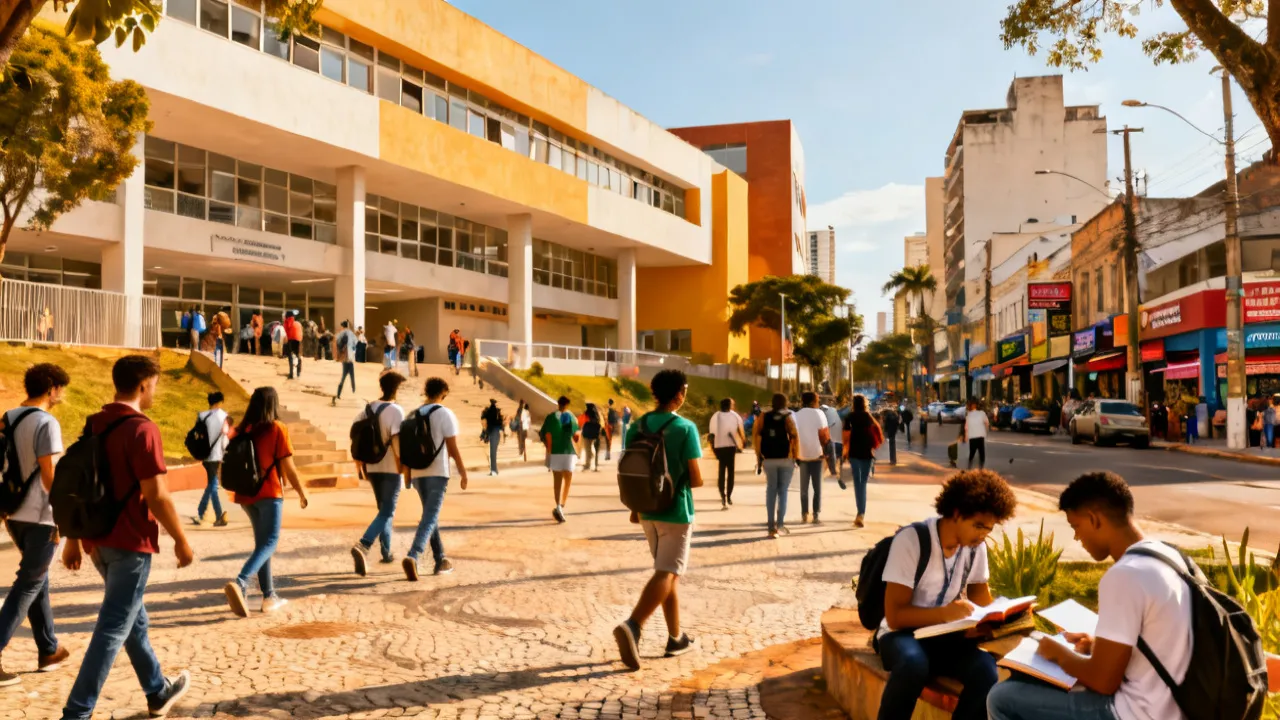
Exploring Faculdades Rapidas Opportunities
Faculdades Rapidas offer a streamlined route to higher education, enabling students to gain qualifications quickly. These institutions cater to the increasing demand for short-duration courses, designed to efficiently develop skills and knowledge pertinent to various industries. Such an approach is increasingly popular among professionals seeking career advancement or a change in their occupational trajectory.
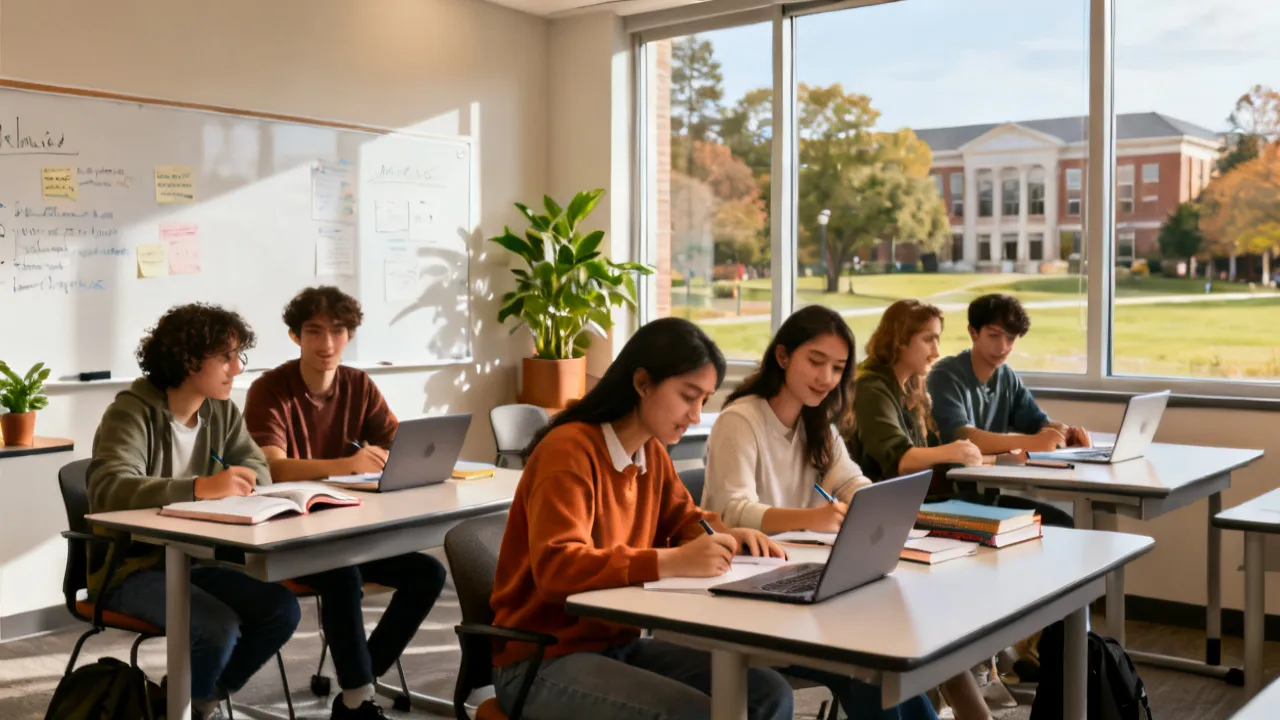
Understanding the Concept of Faculdades Rapidas
Faculdades Rapidas represent a transformative approach to higher education, focusing on offering concise and targeted educational programs that cater to the modern learner. These institutions cater particularly well to the dynamic needs of the modern workforce, where time and skill enhancement are of the essence. By condensing traditional educational frameworks into more streamlined, focused formats, these programs are effectively bridging the gap between education and immediate employability. Understanding the fundamental principles behind Faculdades Rapidas not only highlights their significance but also illustrates the changing landscape of education and job readiness in the 21st century.
The Historical Context of Faculdades Rapidas
The concept of accelerated education is not entirely new, but Faculdades Rapidas carve out a unique niche within this history. Originating from a growing need for vocational and technical skills amidst rapid technological advancements and economic shifts, these institutions have evolved in response to workforce demands. The late 20th and early 21st centuries saw dramatic shifts in labor markets, where traditional employment paths became increasingly disrupted by automation and globalization. In this context, Faculdades Rapidas began to rise, prioritizing programs that equip students with concrete, applicable skills that match the qualifications sought by employers in a competitive job market.
Why Faculdades Rapidas Are Gaining Popularity
The surge in popularity of Faculdades Rapidas can largely be attributed to their efficiency and flexibility. Individuals today strive to find the balance between acquiring necessary qualifications and continuing their professional commitments. Faculdades Rapidas provide this balance by offering accelerated courses that fit into the schedules of busy professionals or those wanting to transition swiftly into a new career. This format is particularly appealing to adult learners returning to education after years in the workforce, as well as recent graduates who may want to upskill or pivot to entirely new fields.
Moreover, the advent of online learning technologies has further catalyzed this trend. By making education more accessible, Faculdades Rapidas can reach a wider audience who may not have the opportunity to engage in standard full-time educational programs. As the paradigm of education shifts towards a more continuous, lifelong learning model, the attraction of quick, focused programs is set to increase.
Benefits of Choosing Faculdades Rapidas
- Time Efficiency: Faculdades Rapidas allow students to complete courses in a fraction of the time compared to traditional programs, which is ideal for those eager to enter the workforce or achieve a quicker career transition. This rapid completion often means that students can apply their new skills to real jobs sooner, increasing their earning potential and career satisfaction.
- Focused Curriculum: The programs are designed to focus on essential skills and knowledge, eliminating superfluous content that often prolongs traditional studies. With an emphasis on practical applications, students engage in hands-on experiences that reinforce their theoretical learning, making them more competent in their fields.
- Cost-Effective: Shorter course durations often result in reduced tuition costs, making higher education more accessible and economically viable. This aspect is crucial for many students who may be deterred by the financial burden of lengthy degree programs, reinforcing the viability of Faculdades Rapidas as a resource for skill acquisition.
Challenges and Considerations
Despite their advantages, potential students should carefully consider the intensity and pace of Faculdades Rapidas to ensure they align with their personal learning styles and life circumstances. The compressed nature of these programs can be demanding, requiring strong time management and commitment. Not everyone thrives under time constraints; therefore, it is critical for prospective students to reflect on their learning preferences and professional goals before making a decision. For some, the fast-paced nature may lead to an overwhelming experience, particularly if they are juggling work and familial responsibilities.
Additionally, students should be aware of the potential limitations in networking opportunities and campus life that are often found in traditional higher education settings. The more condensed and focused learning environment may lack the extracurricular engagements and social interactions that contribute to a well-rounded educational experience. While the acquisition of knowledge is the primary goal, building a professional network can also play a crucial role in long-term career success.
Facilities and Teaching Methods
Many Faculdades Rapidas equip their facilities with modern technology and employ innovative teaching methods to enhance the learning experience. This includes online platforms, simulation labs, and blended learning models that provide practical insights alongside theoretical knowledge. Schools often utilize interactive tools such as virtual classrooms, discussion forums, and multimedia resources which cater to different learning styles and promote engagement. This fusion of technology and pedagogy enables students to adapt to the demands of the digital age and prepares them for workplaces increasingly characterized by technological integration.
Moreover, faculty members in these programs often have real-world experience in their respective fields, bringing an applied perspective that is invaluable in a rapidly changing job market. This practical teaching approach fosters a learning environment where students can engage in realistic projects, case studies, and collaborative assignments, effectively simulating actual workplace scenarios. Such methodologies ensure that graduates are not only knowledgeable but also adept at problem-solving and critical thinking, which are essential skills in today’s workforce.
| Aspect | Traditional Colleges | Faculdades Rapidas |
|---|---|---|
| Duration | Longer terms, often 3-4 years | Shorter terms, ranging from a few weeks to a year |
| Flexibility | Fixed schedule, less flexibility | Flexible schedule, often with online options |
| Cost | Higher tuition due to extended duration | Lower tuition due to shorter courses |
| Curriculum Focus | Broad liberal arts education | Narrow, skill-specific education |
| Networking Opportunities | Strong alumni networks and campus life | Minimal; may rely on online connections |
Job Readiness and Market Demand
As industries continue to evolve, the need for skilled workers has never been more urgent. Faculdades Rapidas align their curricula closely with current job market demands, focusing on skills that are immediately applicable in the workforce. By engaging with businesses and industries, these institutions often develop partnerships that ensure their programs remain relevant and effective. Internships, co-operative education opportunities, and industry projects are frequently integrated into the curriculum to provide students with hands-on experience and insight into real-world processes.
Moreover, the ability to adapt programs in response to feedback from employers helps to ensure that graduates are job-ready. This nimble approach contrasts sharply with traditional educational frameworks, which may struggle to keep pace with changing workforce needs. It also provides students with the confidence that their training will lead to actual employment opportunities, an increasingly important factor in their educational decisions.
Alternatives to Faculdades Rapidas
While Faculdades Rapidas offer a unique approach to higher education, they are not the only option available. Other alternatives include online degree programs, community colleges, and various vocational training centers. Each of these alternatives presents its own set of advantages and disadvantages depending on student goals, financial circumstances, and preferred learning styles.
Online degree programs, similar to Faculdades Rapidas in their flexibility, often provide the benefit of a comprehensive education while allowing for a longer duration of study. Community colleges tend to offer an affordable pathway into higher education but usually don't emphasize the accelerated format that Faculdades Rapidas provide. Vocational training centers specifically focus on providing hands-on training for skilled trades, which may appeal to those looking for immediate employment in specific industries.
Moreover, some professionals may pursue certifications or micro-credentials, which offer training in specific competencies and skillsets without requiring a full degree. These short courses can be highly targeted and structured to be conveniently completed while working full-time, appealing particularly to those looking to upskill quickly.
FAQs
Q: Are all majors available in Faculdades Rapidas?
A: While a wide range of subjects are offered, some specialized fields that require extended study may not be available. Typically, these programs are concentrated in areas such as business, technology, health care, and design where applicable skills can be taught within a shorter timeframe. Students should investigate the specific offerings at each institution to find programs that match their career goals.
Q: Do employers recognize qualifications from Faculdades Rapidas?
A: Yes, many employers value the focused and practical skill sets acquired through these rapid programs. As industries increasingly emphasize skills over traditional degrees, the qualifications from Faculdades Rapidas can demonstrate a candidate's commitment to professional development and readiness for the workforce.
Q: Are these programs available nearby?
A: Faculdades Rapidas are becoming increasingly available in various locations, providing both online and in-person options. Prospective students can easily explore programs based on their geographic location or preferred format, allowing for flexibility in their learning journey.
The Future of Faculdades Rapidas
Looking ahead, Faculdades Rapidas are poised to play a vital role in the future of education. As the demands of the job market continue to shift and evolve, the necessity for rapid skill acquisition will become more pronounced. Traditional educational models must adapt to these changes, and Faculdades Rapidas can serve as a prototype for future learning environments that prioritize speed, flexibility, and real-world applicability.
As society moves towards more personalized education paths, institutions that provide efficient, relevant training will likely thrive. In particular, Faculdades Rapidas can appeal to a diverse range of learners—from those seeking to upskill in their current profession to those wishing to pivot into new careers without the long-term commitment of traditional education. Furthermore, collaborative efforts between educational institutions and industries can pave the way for innovative educational approaches that continuously address the skills gap in the labor market.
With the potential for the integration of advanced technologies like artificial intelligence and virtual reality into curriculum design and teaching methodologies, the landscape of Faculdades Rapidas will likely transform further, making learning experiences even more engaging and effective.
In conclusion, Faculdades Rapidas represent a compelling alternative in the educational landscape, meeting the needs of those who prioritize efficiency and relevancy in their learning paths. As the demand for flexible education solutions grows, these institutions are certainly poised to play a pivotal role in shaping future workforce dynamics, contributing to the establishment of a more adaptive and skilled workforce ready to meet the challenges of tomorrow.